Meet the authors who share their stories of transformation.
Contributors
Following the Introduction and Context for the Work chapters, written by the co-editors, Transformative Teacher Education is organized into three sections: making sense of culturally relevant and sustaining education (CRSE), system-level implementation of CRSE, and course-level implementation of CRSE. Each section is followed by reflection questions and suggested activities for a variety of audiences. Meet the contributors and read quotations from each of the three sections below.
Co-Editors

Donna-Marie Cole
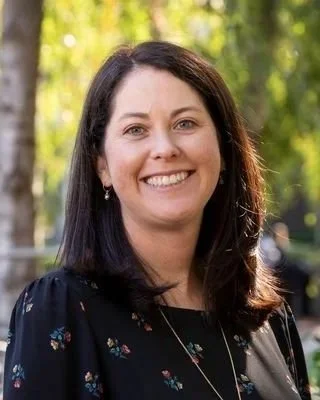
East Stroudsburg University
Juliet Curci

Temple University
Luca Poxon
Temple University
Additional Chapter 1 (Context for the Work) Contributor

Kelly McGinn
Chapter 1: Origins of CRSE in Pennsylvania and the Community of Practice
“[The culturally relevant and sustaining education (CRSE) community of practice] worked across the state to collectively implement the CRSE Competencies in their teacher preparation programs to improve the education of all Pennsylvania students.”
Temple University
Sense-Making Contributors
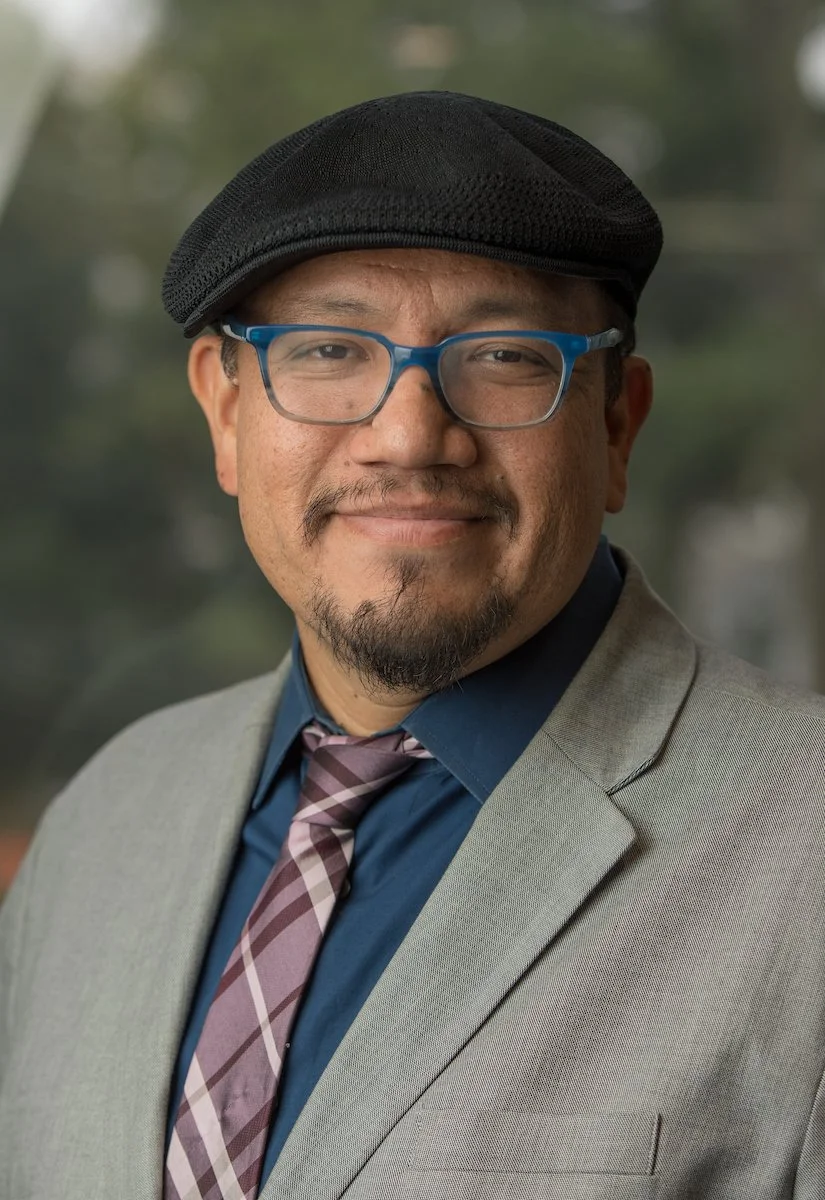
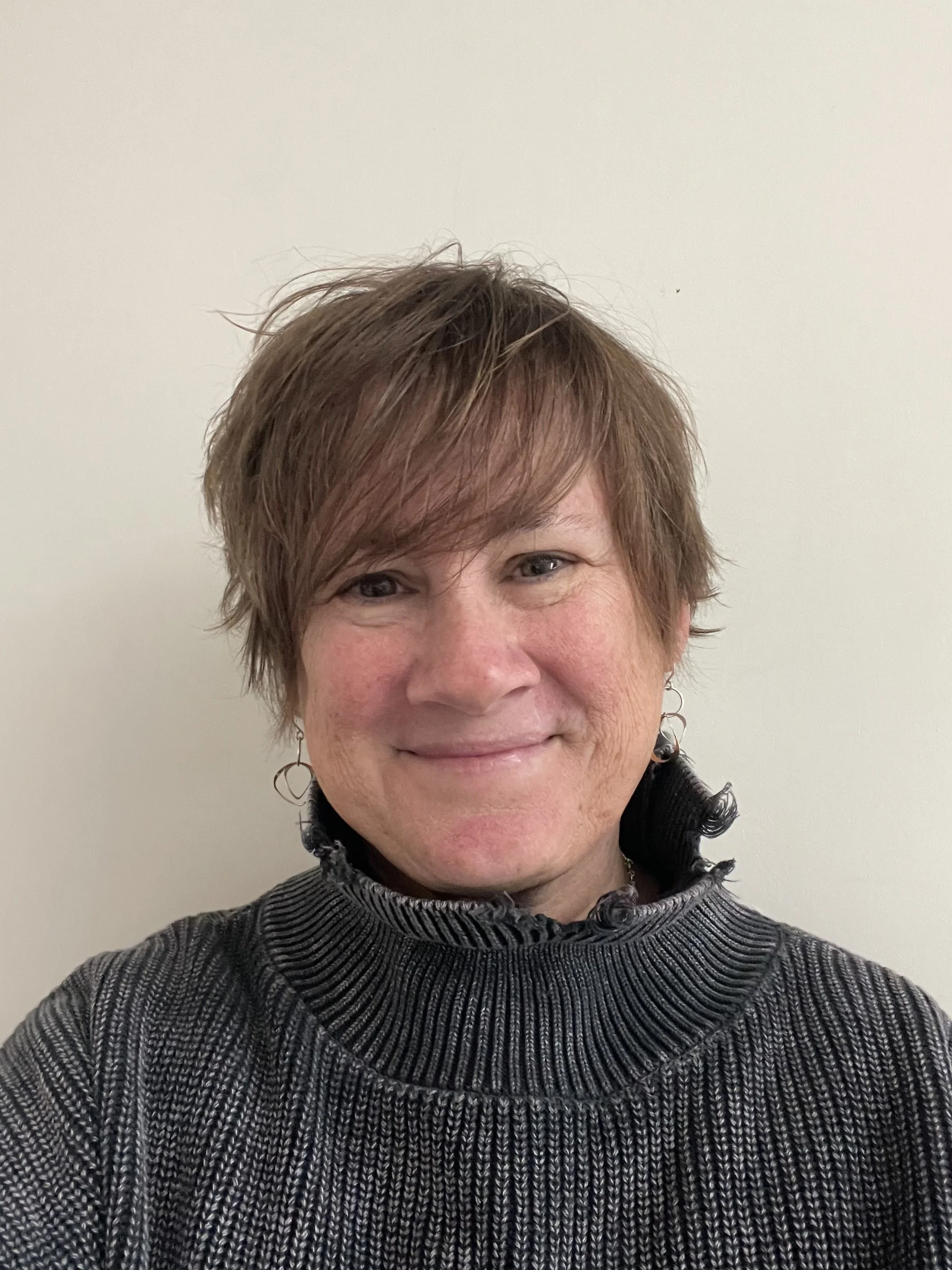
Swarthmore CollegeEdwin Mayorga
Jennifer Bradley
Chapter 2: Navigating Culturally Relevant and Sustaining Education: What Happens When You Mandate a Revolution?
“[T]he changes the CRSE Competencies require educators to make are not ultimately about compliance, but rather, a way of living and anchoring our teacher lives in culturally relevant, sustaining, and antiracist practice.”
Swarthmore College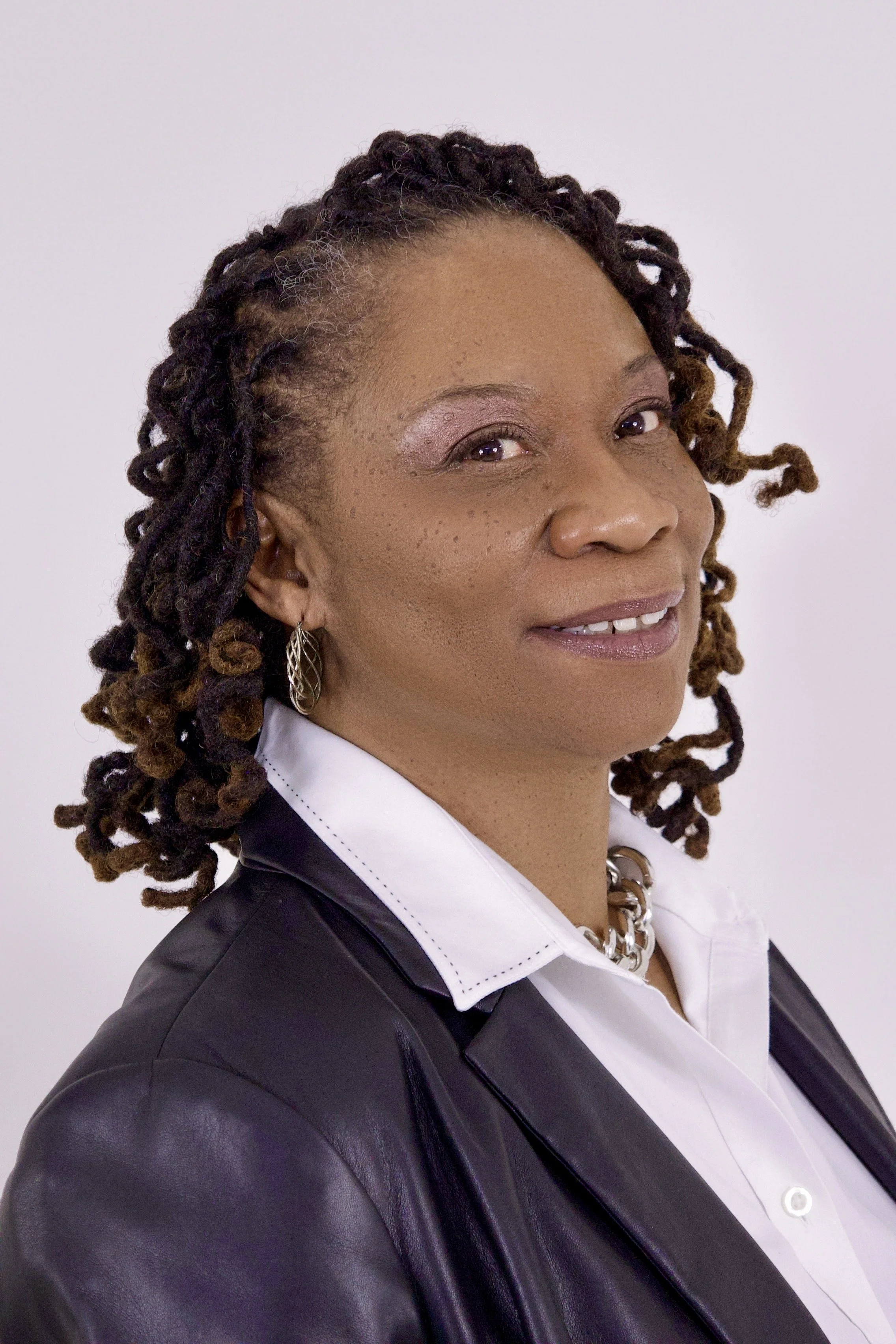
Chapter 3: From Playground to Pedagogy: How My Lived Experiences Cultivated Culturally Relevant and Sustaining Educational Practice
“When you look back and reflect on your culture—the dominant narrative about who you are and where you grew up, what was happening in your household, your schools, neighborhood, and other institutions you encountered—you will see the complex ways those social forces shaped who you are and how you teach.”
Perceptions UnlimitedRochelle Peterson-Ansari

Pennsylvania State UniversityAshley Patterson

Chapter 4: Moments Worth Pondering: Critically Storying to Find Culturally Sustaining Ways Forward
“...practicing CRSE is neither straightforward nor easy. Beyond those characteristics, it is also decidedly not tension-free… Critical educators have the capacity to recognize that both their own and families’ understandings of any given situation are limited and partial by nature.”
Indiana University of PennsylvaniaEmily Wender
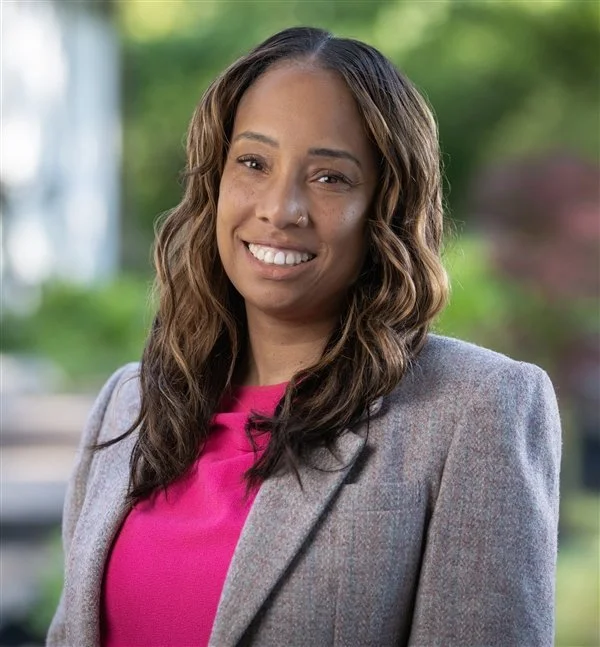
Chapter 5: Swimming in Rip Tides: A Critical Race Feminist Analysis of Resistance to Culturally Relevant and Sustaining Education Competencies in Teacher Education
“Swimming in a rip tide is a powerful metaphor for describing a challenging hurdle that defies existing working knowledge, threatens your survival, and should you survive it, teaches you something about yourself and the world… Teacher education is not a game. Resistance will drown you if you fight it.”
Kutztown UniversityAmber Jean-Marie Pabon
System-Level Implementation Contributors
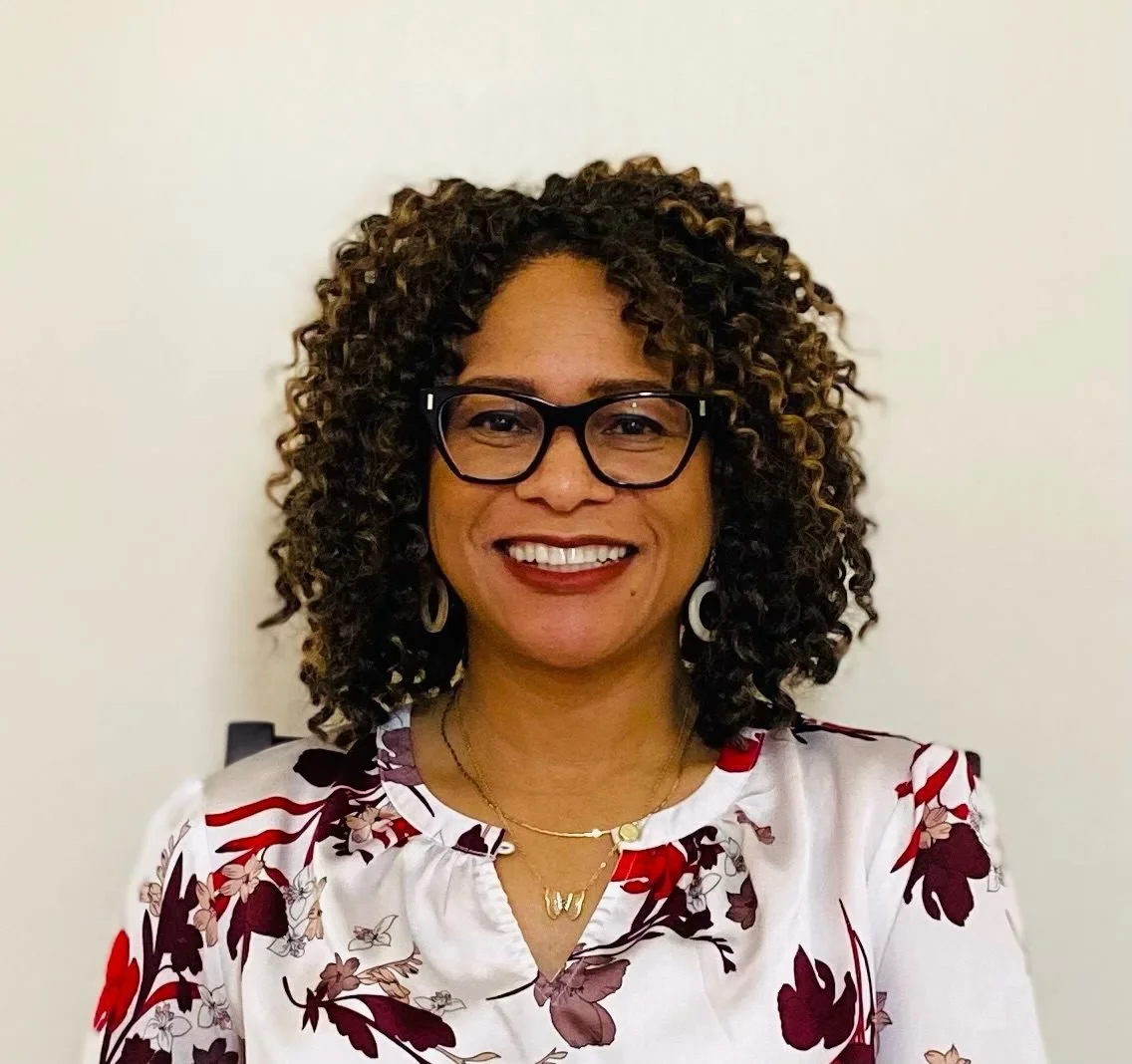

Greenfield Community CollegeAngela Campbell
Chapter 6: Insights on Implementing Anti-Racist and Culturally Relevant and Sustaining Practices in Higher Education
“The real problem for us has never been us in our cultural Blackness, but the systems that were designed without us in mind… We made sense of the ups and downs and moments of failure and progress. We found Blackness within and around us, no matter how scant or diffused, to be beautiful, powerful, and more precious every day.”
Ronald Whitaker II
Arcadia University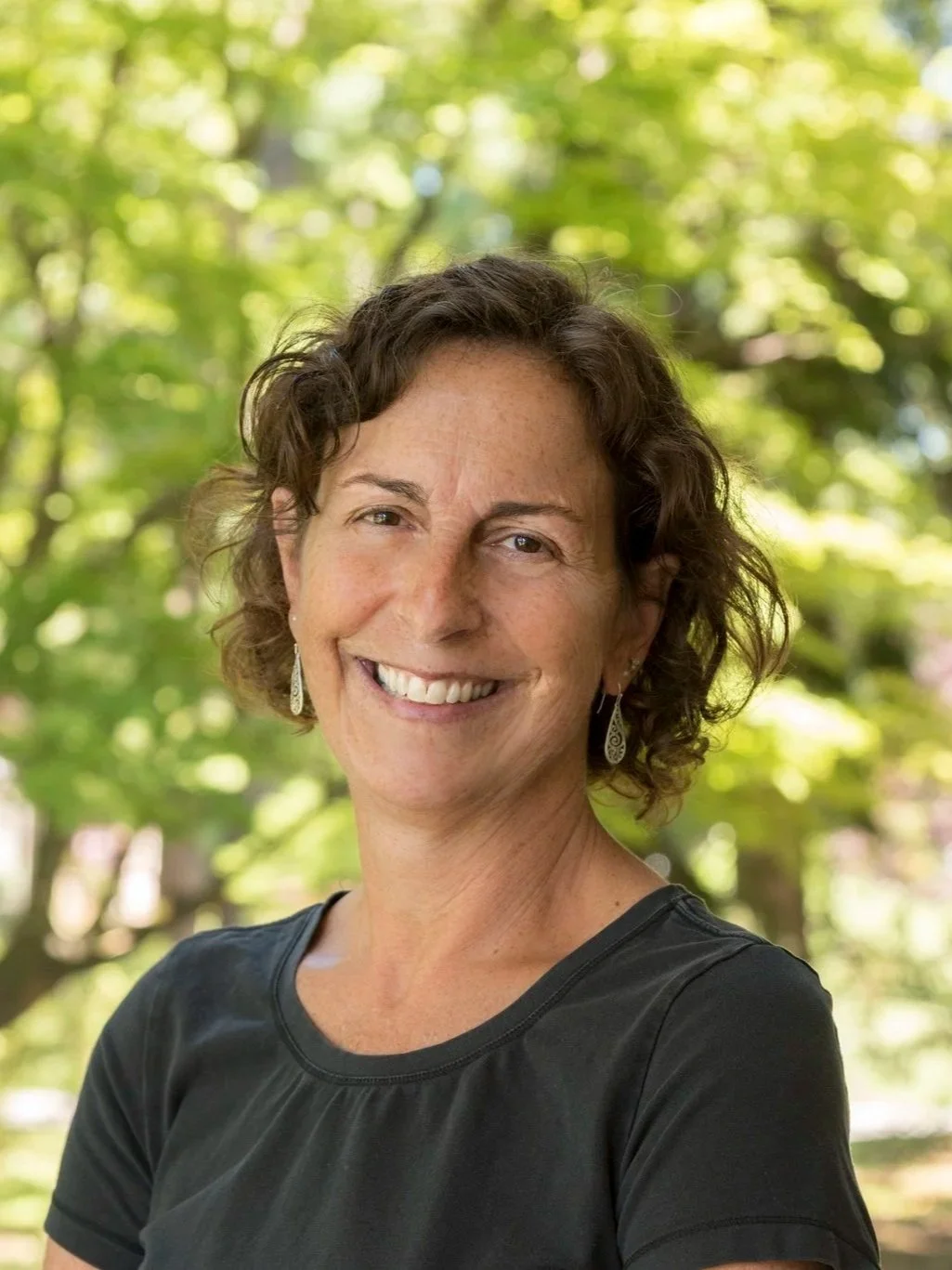
Chapter 7: A Dean and Faculty "Doing the Work" of CRSE: How We Built a Wall and a Plan to Deconstruct It
“Can we have a shared North Star, a shared vision for our school, without me, the dean, imposing something on the group? What is the role of a visionary leader? Can I promote my vision without silencing the voices of dissenters given my position of power? I believe an important responsibility of a leader is to collaboratively create a shared vision… [yet], I allowed my fear of creating conflict among faculty to lead us away from doing the work together.”
Monmouth UniversityAmy Gratch Hoyle
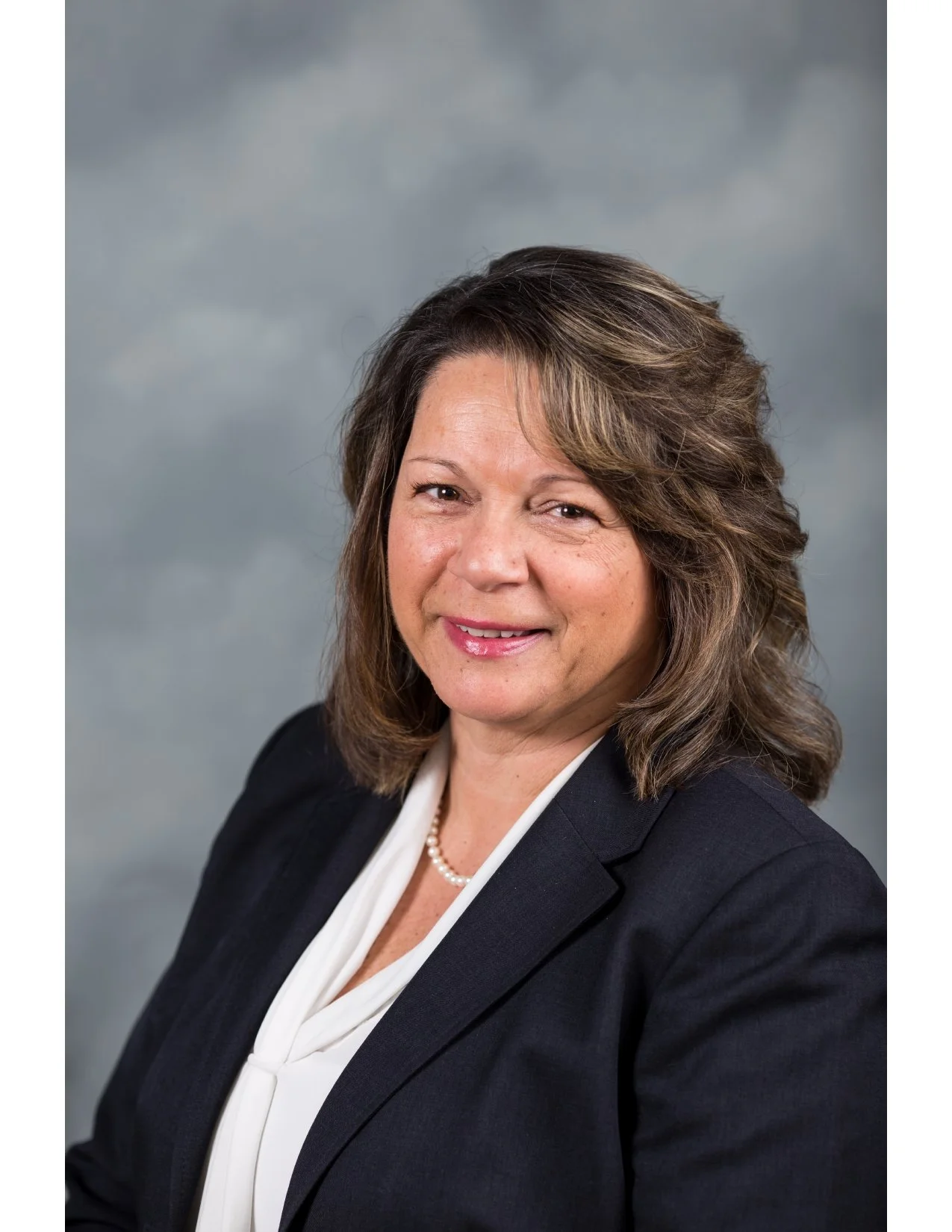

Millersville UniversityMiriam Marguerita Gomez Witmer
Millersville UniversityMillersville UniversityAbdulsalami Ibrahim
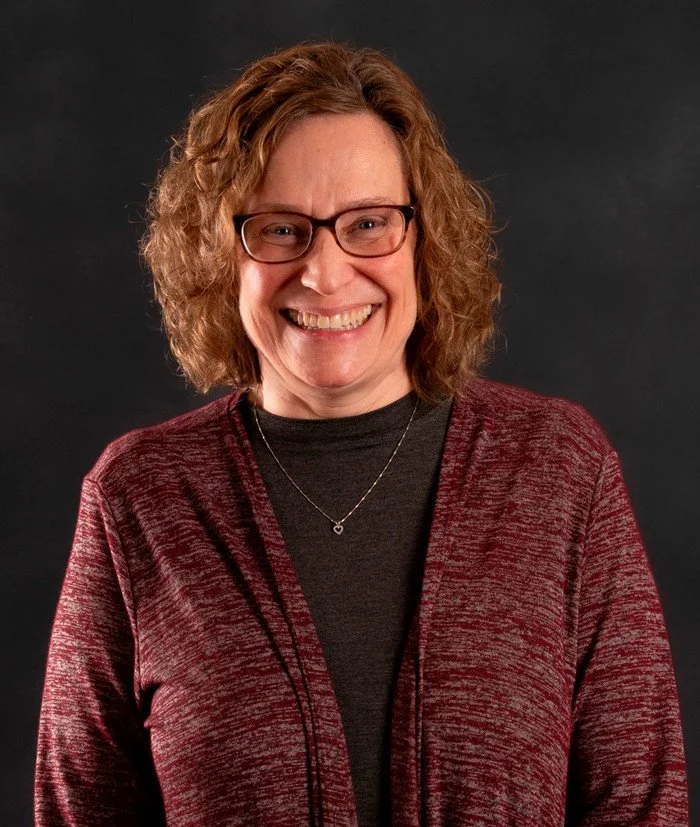
Chapter 8: Building a Culture of CRSE: Lessons Learned from Millersville University's Implementation Journey
“While some participants noted the community’s ‘pushback’ regarding CRSE, they also shared that by supporting each other and drawing more colleagues into the community, change can happen.”
Millersville UniversityAileen Hower
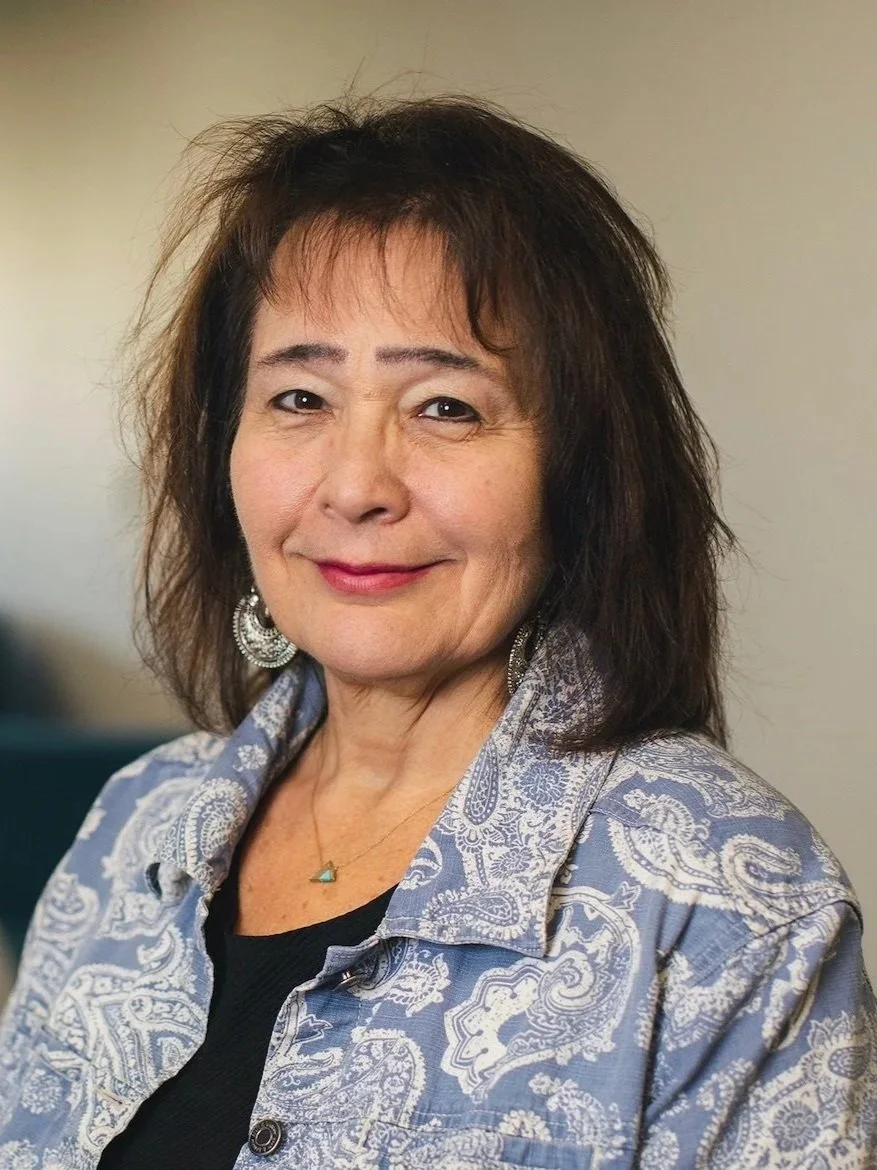
Chapter 9: Nurturing Growth in Teacher Preparation: Cultivating Social-Emotional Skills for Culturally Responsive Teaching
“After a few years of teaching my own classes, I realized that if conversations were going to truly impact students, I had to be honest and open, leaving myself vulnerable while at the same time asking students to be vulnerable. Some students were wide-eyed throughout conversations, either never having been a part of discussions involving this content, or feeling as if it was taboo to talk about race and other social identities. My good fortune… allowed me to see transformative work in many.”
(formerly of) University of Pittsburgh Anna Arlotta-Guerrero

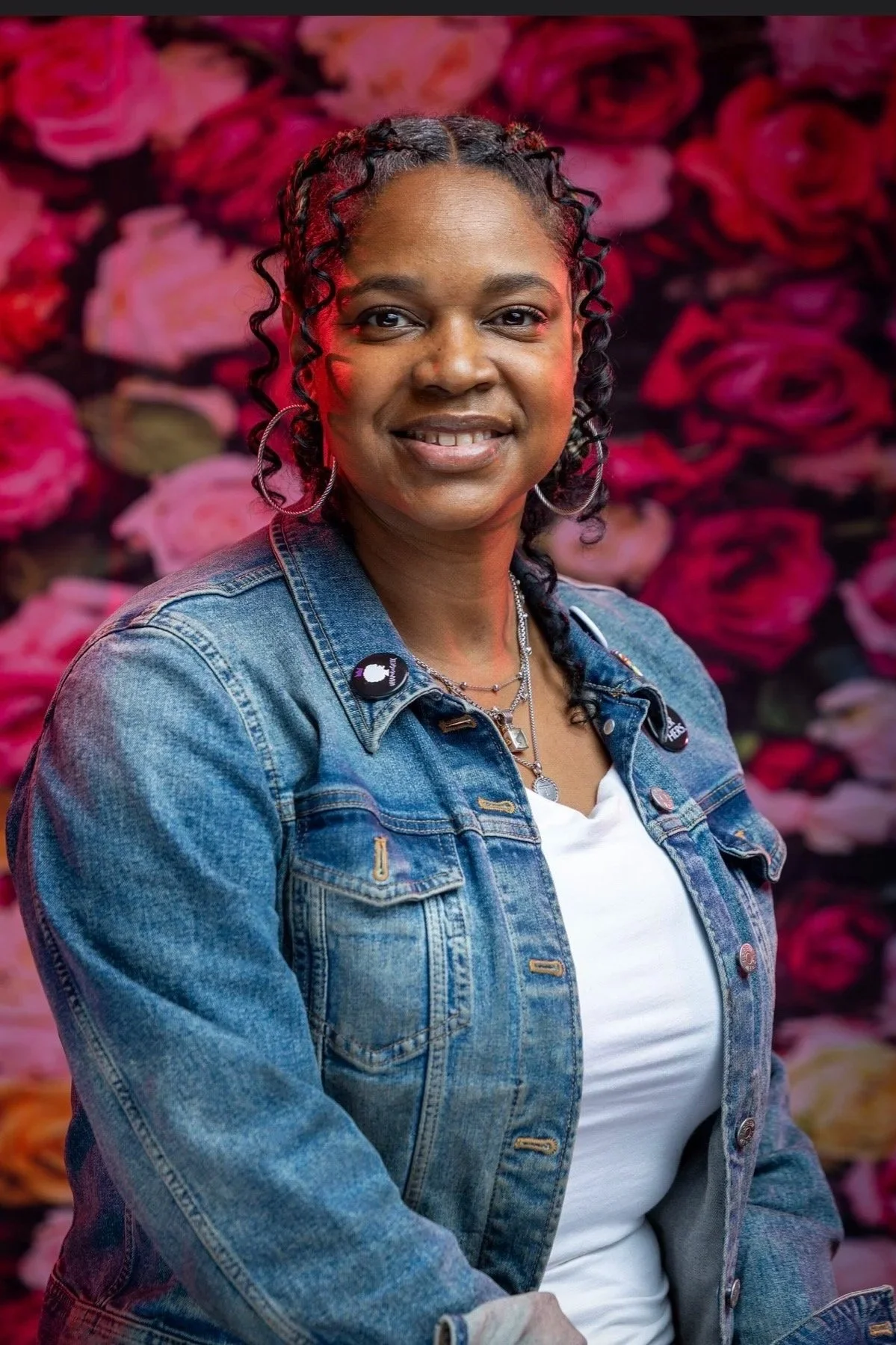
University of PennsylvaniaChristopher Pupik Dean
Chapter 10: Leading Program Level Change: Reflections on the Development of a CRSE-Aligned Fieldwork Rubric
“Building a community around a new initiative requires ensuring there is programmatic infrastructure in place to support this new initiative as a priority.”
University of PennsylvaniaTawanna Jones
Course-Level Implementation Contributors
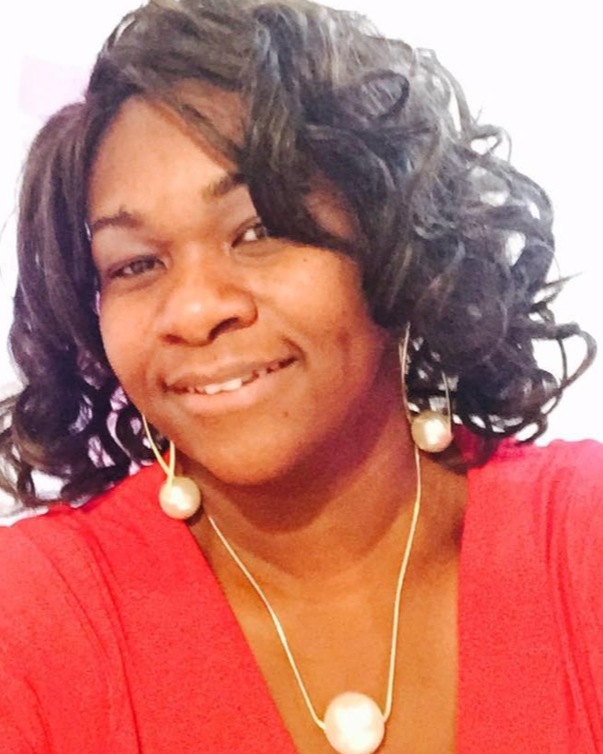
Lincoln UniversityTeresa Powell

Chapter 11: Understanding and Embedding Culturally Relevant Teaching Through the Use of CRSE Competencies at a Historically Black College and University (HBCU)
“[E]ffective education at an HBCU doesn’t automatically equate to mastery in supporting diverse learners. It is through consistent professional development and the reflective practices fostered by frameworks like CRSE that educators can achieve meaningful change.”
Kean UniversityShalander “Shelly” Samuels

Chapter 12: Learning Duet: Navigating a Professor’s Reflection with Student Voice When Integrating CRSE Into a Secondary Education Methods Course
“Selecting a course book may be natural for most professors, but it was not for me… Selecting a new course book was challenging given my commitment to providing open resources at an open-access university… However, I realized that in other courses, students often bought books, typically authored by White writers. Requiring a book by an author who was Black, one that was authoritative and relevant, would demonstrate the value of different perspectives than the dominant one. I would model a needed learning disposition to learn from Black scholars.”
East Stroudsburg UniversityBeth Rajan Sockman
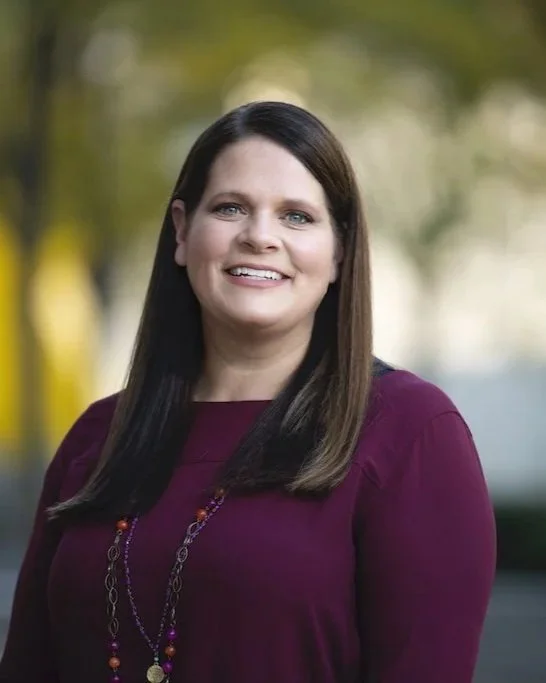
Chapter 13: Bridging the Gap: Transforming an Early Literacy Methods Course with Sustained Culturally Responsive Practices
“I wanted my students to focus on literacy as a social justice issue and view literacy as an activity that can and should bring joy. I also knew I should be highlighting how many communities have strong literacy practices despite less than ideal historical educational inequities.”
University of PittsburghMichelle Sobolak
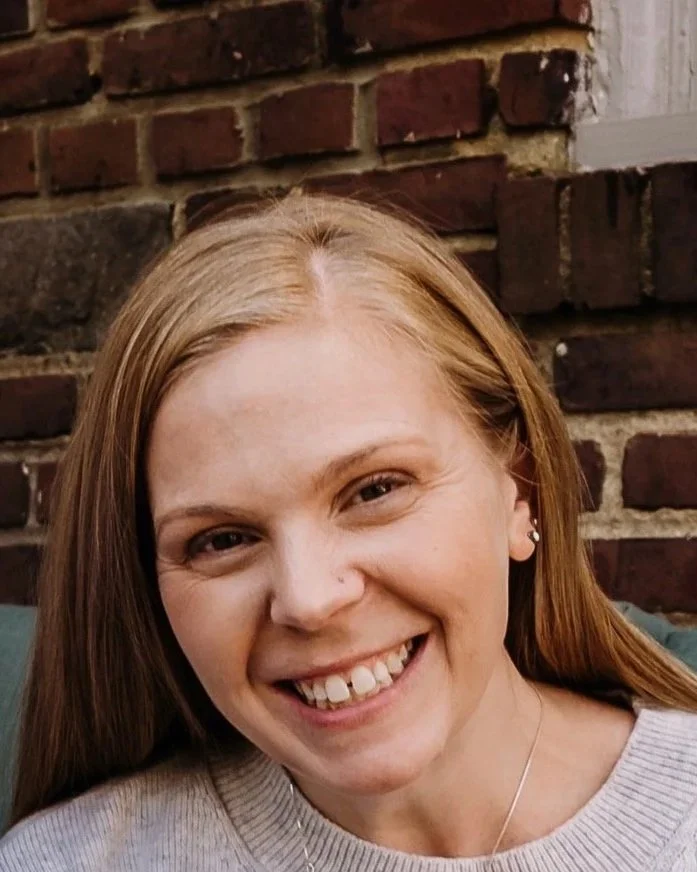
Chapter 14: The Realities of Imperfect Field Placements: Fostering Culturally Relevant and Sustaining Education in Pre-Service Field Experiences
“I knew that simply opening the door to CRSE was not enough; I needed to specifically design experiences to compel students to think, talk about, and plan for CRSE… [N]o matter where the field placement is, the instructor can and should be using those experiences actively in class discussions to highlight best practices and clarify misconceptions.”
Eastern UniversitySarah Anne Eckert

Chapter 15: Welcome or Watch Out! The Role of the Syllabus in Setting Up an Inclusive and Culturally Relevant Student Course Experience
“As I reflected on my syllabus, I began to ask myself how it might impede student learning and engagement. Had I inadvertently shut down these opportunities by starting a class with information that focused more on what students will do and how their failure to do these things will be dealt with in a punitive way?”
East Stroudsburg University